
Are casinos designed to keep you playing longer?
The Psychology Behind Casino Design
Casinos are meticulously designed environments that capitalize on psychological principles to encourage players to stay longer. They often employ a mix of bright colors, engaging sound effects, and visual cues that create an exhilarating atmosphere. The layout of the floor is typically non-linear, with winding pathways that entrap players, making it hard to find an exit, especially when they are drawn to the allure of australia online casino games and experiences. This design can lead to a disorientation effect, compelling guests to lose track of time as they navigate through a maze of games and entertainment options.
Furthermore, the absence of clocks and windows is a strategic decision aimed at suppressing awareness of time. Players are often absorbed in the excitement of the moment, oblivious to the hours that pass. Without visual reminders of the outside world, individuals can easily become engrossed in their surroundings. Additionally, the use of scents, such as vanilla or cinnamon, can create a comforting ambiance, further anchoring players in the gaming environment and enhancing their overall experience.
Casinos also incorporate a variety of sensory stimuli that create an addictive environment. The jingling sounds of coins, the flashing lights of slot machines, and even the cheerful chatter of other patrons all contribute to an immersive experience. This combination of sensory inputs keeps players entertained and engaged, increasing the likelihood that they will continue to play. Such elements are intentionally crafted to forge emotional connections, ultimately compelling players to remain in the casino longer than they originally planned.
The Role of Game Design in Player Retention
The structure of casino games is designed with player retention in mind. Slot machines, for instance, deploy a mechanism known as Variable Ratio Reinforcement, which rewards players at unpredictable intervals. This unpredictability creates a sense of anticipation and excitement, similar to a lottery system, where players remain hopeful about hitting the jackpot. This psychological trigger keeps individuals engaged and encourages them to keep playing, often leading to extended gaming sessions.
Moreover, modern games are often embedded with features that promote ongoing play. Incentives such as bonus rounds, free spins, and progressive jackpots provide players with the allure of winning large amounts of money, reinforcing their desire to continue playing. These features are often highlighted in promotional materials and on the machines themselves, entrenching the notion that players are on the cusp of a significant win. This perception can lead to an increase in time spent gaming, as players chase these tempting rewards, sometimes at the expense of their own time and money.

Game design not only appeals to the emotional triggers of players but also incorporates social aspects that enhance the experience. Many games now offer multiplayer or community features, allowing players to engage with others, share wins, and create a sense of camaraderie. This social element can be quite compelling, leading individuals to stay longer to enjoy the company of fellow gamers. Such interactions can strengthen the bond to the casino environment and create a sense of belonging, further fueling the tendency to prolong gaming sessions.
The Influence of Reward Systems
Casinos have developed sophisticated reward systems that are strategically designed to keep players returning and engaging for longer periods. Loyalty programs and player cards track gameplay and offer perks based on frequency and amount wagered. These programs often include cashback options, free meals, or complimentary stays at hotel accommodations, providing tangible value that encourages players to spend additional time at the casino. The prospect of earning rewards can motivate players to extend their visits, often leading to increased spending.
The gamification of loyalty rewards adds an extra layer of excitement. Players are enticed by the idea of leveling up within the casino’s program, which can foster a sense of achievement and competition. This urge to attain higher statuses or better rewards can lead to extended gaming sessions, as players are driven by the desire to gain more points or unlock exclusive benefits. Ultimately, the promise of rewards creates a compelling incentive to keep players engaged and present within the casino’s ecosystem.
Furthermore, the emotional benefits tied to these reward systems cannot be understated. As players accumulate points or rewards, they experience feelings of accomplishment and satisfaction, which can deepen their emotional investment in the casino experience. This emotional connection to the rewards can be a powerful motivator, causing players to return repeatedly in pursuit of similar gratifying experiences. Over time, this cycle can lead to habitual behavior, as individuals associate the casino with positive feelings of fun and reward, perpetuating longer visits.
The Impact of Environment on Player Behavior
The physical environment of a casino plays a crucial role in shaping player behavior and influencing the duration of play. The choice of lighting, music, and even furniture is carefully orchestrated to create an inviting atmosphere that draws people in and encourages them to linger. Dim lighting with vibrant, colorful accents tends to create a relaxed yet stimulating ambiance, while upbeat music can heighten excitement and energy levels, making players feel more engaged and inclined to continue their gaming experience.
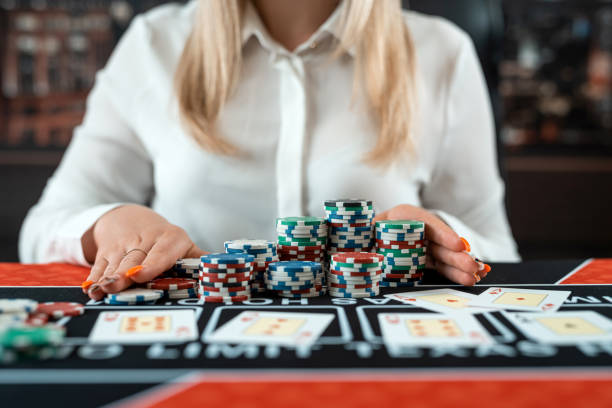
Moreover, the arrangement of gaming tables and machines is strategically done to promote interaction and visibility. High-traffic areas are typically filled with popular games to attract players’ attention, while quieter areas provide a more intimate setting for those looking to focus. The strategic use of space fosters a sense of community among players, as they can share experiences and capitalize on the social atmosphere, further encouraging longer play sessions.
In addition, the presence of amenities such as bars, lounges, and restaurants within a casino contributes to prolonging visits. Patrons can seamlessly transition from gaming to leisure activities without ever having to leave the premises. This blend of entertainment options creates an all-encompassing experience that encourages individuals to spend more time at the casino. As guests enjoy food, drinks, and socialization, they are likely to return to the gaming area, further extending their engagement with the casino’s offerings.
Conclusion: The Allure of Casinos
In summary, the design and operational strategies of casinos are meticulously crafted to entice players to stay longer. From the psychological tactics employed in the casino layout to the innovative game designs and rewards structures, each element works in concert to create a captivating experience. This captivating environment not only enhances the thrill of gaming but also fosters extended visits and increased spending.
The overall experience encapsulated within a casino aims to engage multiple senses and create emotional connections with players. The strategic design choices encourage individuals to immerse themselves in the excitement, often leading to longer gaming sessions than originally intended. As a result, understanding the intricacies of casino design can shed light on why so many find themselves drawn back continually to these vibrant venues.
Ultimately, whether you’re a seasoned player or a casual visitor, knowing the various elements at play can enhance your experience and help you make more informed decisions when spending time in a casino. Awareness of these strategies can empower players to enjoy the excitement while remaining conscious of their gaming habits and budgets, ensuring their casino experience remains both enjoyable and responsible.